05th August 2026
Best Time to Visit Sigiriya: 2026 Guide
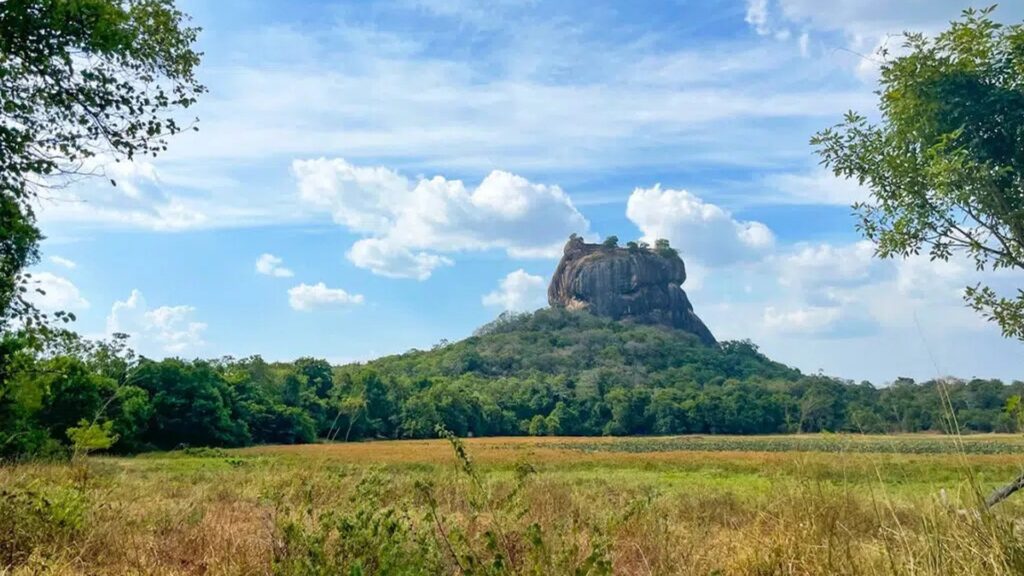
A massive column of rock juts out of the dense jungle canopy. King Kashyapa built this ancient fortress in the fifth century. Today, over a million travelers tackle its steep 1,200 steps every single year. Finding the absolute best time to visit Sigiriya is your secret weapon for a flawless trip.
Sri Lanka expects to welcome 3 million visitors in 2026. The grounds are getting busier, and the tropical weather demands respect. You want clear skies, empty staircases, and perfect photos. This guide breaks down exactly when to go, what to pack, and how to beat the crowds while exploring one of the most incredible UNESCO World Heritage sites on the planet.
The Quick Answer: Best Time to Visit Sigiriya
The best time to visit Sigiriya is during the dry season from January to April. These months offer clear blue skies, minimal rain, and safe climbing conditions. To avoid the fierce midday heat and peak tourist crowds, plan your climb for early morning right when the gates open at 5:30 AM, or opt for a late afternoon hike starting around 3:00 PM.
Seasonal Breakdown: Weather, Crowds, and Vibes
The Dry Season (January to April & July to September)
These are the warmest months, with daytime highs hitting 30 to 35°C (86 to 95°F). The skies stay brilliant blue, making it the absolute peak season for photography. January through March delivers that crisp, golden morning light. The main challenge here is the midday sun. The heat gets intense by noon, making an early start mandatory. Expect maximum energy on the ground, as this is when international tour groups and local holidaymakers flood the Cultural Triangle.
The Shoulder Season (May to June & September)
You get tropical warmth without the constant downpours. The air feels heavy and humid, yet the actual rainfall remains relatively low. Many standard tour packages skip these months, meaning you get the rock largely to yourself. Carry extra water, embrace the humidity, and enjoy the peaceful pathways.
The Monsoon Season (October to December)
Heavy tropical rains take over the region, and October frequently sees over 25 rainy days. The landscape turns deep emerald, and the water gardens fill to their most photogenic state. Showers usually arrive in dramatic bursts, so a packable poncho and a flexible plan keep everything fun. The upper levels and fresco areas occasionally close briefly during severe downpours, so travelers who check the morning forecast and start early get the full reward of these lush, cooler months.
Month-by-Month Weather Guide
January
Climate: 29°C / 20°C (averages about 6 rainy days)
Sunrise: 6:15 AM
The Vibe: Peak season energy. Brilliant blue skies and crisp, golden morning light make January a strong contender for the best time to visit Sigiriya.
February
Climate: 31°C / 20°C (around 4 rainy days)
Sunrise: 6:10 AM
The Vibe: Warm and exceptionally dry. The low humidity creates perfect conditions for a highly comfortable climb.
March
Climate: 34°C / 20°C (roughly 2 rainy days)
Sunrise: 6:05 AM
The Vibe: The warmest month of the year. The rock radiates heat by midday, rewarding early risers with incredible views and empty pathways.
April
Climate: 35°C / 22°C (averages 17 rainy days)
Sunrise: 6:00 AM
The Vibe: Late inter-monsoon showers start popping up. The mornings stay beautifully warm, offering a lush, vibrant jungle backdrop.
May
Climate: 34°C / 24°C (sees about 13 rainy days)
Sunrise: ~6:00 AM
The Vibe: Pre-monsoon warmth brings high humidity. The landscape turns incredibly green, and you get the fortress pathways mostly to yourself.
June
Climate: 33°C / 24°C (around 2 rainy days)
Sunrise: 5:55 AM
The Vibe: A brilliant pocket of dry weather amidst the humid months. You get excellent climbing conditions with much smaller crowds.
July
Climate: 34°C / 24°C (roughly 3 rainy days)
Sunrise: 5:55 AM
The Vibe: Dry mornings rule the day. The afternoons bring gentle breezes, making the late-day ascent incredibly pleasant.
August
Climate: 31°C / 24°C (averages 5 rainy days)
Sunrise: ~5:55 AM
The Vibe: Occasional passing showers cool down the rock. The tropical canopy looks exceptionally vibrant after a quick rainfall.
September
Climate: 32°C / 23°C (experiences around 12 rainy days)
Sunrise: ~5:50 AM
The Vibe: Afternoon storms roll through, painting dramatic skies. Morning climbers get to enjoy the lush, misty ruins in total peace.
October
Climate: 30°C / 22°C (averages about 28 rainy days)
Sunrise: ~5:50 AM
The Vibe: The landscape bursts into vivid emerald greens. Moody, misty mornings create incredible atmospheric photography opportunities and a wonderfully serene setting.
November
Climate: 30°C / 21°C (roughly 19 rainy days)
Sunrise: ~6:00 AM
The Vibe: Cooler temperatures make the physical climb much easier. The surrounding water gardens look spectacular at their fullest, reflecting the dramatic tropical skies.
December
Climate: 28°C / 21°C (averages 19 rainy days)
Sunrise: 6:05 AM
The Vibe: The transition into the dry season begins. The air feels fresh, and the holiday energy brings a wonderful, festive buzz to the Cultural Triangle.
Daily Timing: Sunrise vs. Sunset Climbs
The time of day you choose to climb changes the entire experience. The metal staircases cling to the sheer rock face. Your legs will burn. Your water bottle will empty fast. Timing your ascent correctly makes the physical effort completely worth it.
The Early Morning Advantage
Gates officially open around 5:30 AM. Arriving right at opening time gives you cooler temperatures and empty staircases. By 7:30 AM, the tour buses arrive and the pathways jam up. A smart strategy involves watching the sunrise at neighboring Pidurangala Rock. You get a stunning, unobstructed view of Lion Rock bathed in morning light. You can then descend, grab breakfast, and start your main Sigiriya climb around 6:30 AM just as the day tourists arrive at the base.
The Late Afternoon Strategy
Late afternoon climbs starting around 3:00 PM are gaining massive popularity. The heat subsides, and the morning crowds head back to their hotels. You will often be among the last people at the summit, enjoying the soft, golden sunset light. You must buy your entry tickets before 5:00 PM, as the ticket office strictly closes then. Bring a small headlamp or ensure your phone is fully charged for the descent after the sun drops below the tree line.
Weekdays vs. Weekends
Local tourists, school groups, and large families tend to visit on Saturdays, Sundays, and public holidays. The staircases get incredibly packed. If your schedule allows any flexibility, pick a Tuesday or Wednesday in the dry season for a much more peaceful hike.
The 2026 Game Changer: Free Tourist Visas
Travel logistics just got incredibly easy. Starting May 25, 2026, Sri Lanka implements free 30-day tourist visas (ETAs) for 40 countries. Travelers from the US, UK, EU, India, China, and Australia can apply online at absolutely no cost. This massive policy update aims to boost arrivals and makes spontaneous travel planning much simpler. You still need to apply for the ETA online before your flight, but the financial barrier is completely gone.
Tickets, Access, and Costs
A foreign adult ticket costs $35 USD. This single fee covers the entire archaeological site, the terraced gardens, and the excellent on-site museum. Children and citizens of SAARC nations receive discounted rates.
You can buy e-tickets through the official Central Cultural Fund portal. Pre-booking saves you from standing in the physical ticket lines, which get notoriously long by mid-morning. Card payment machines at the physical counter occasionally fail due to network issues. Carrying exact cash in USD, EUR, or LKR is a highly recommended backup plan.
How to Get to Sigiriya (and Where to Base Yourself)
Most travelers reach Sigiriya as part of a Cultural Triangle loop. The rock sits about 180 kilometers northeast of Colombo, and the drive takes roughly four to five hours on the expressway. Kandy is closer still, at about 90 kilometers and a scenic two-and-a-half-hour ride through central hills and paddy fields.
Your three realistic options:
Private driver: The most popular choice by far. You set the schedule, the air conditioning runs the whole way, and you can stop for a king coconut on the roadside whenever you like.
Bus or train: Public buses connect Colombo and Kandy to Dambulla frequently. From Dambulla, a local bus or tuk-tuk covers the final 20 kilometers in about 40 minutes. The nearest railhead is Habarana, roughly a 30-minute tuk-tuk ride from the gate.
Tuk-tuk for the last mile: Perfect for hopping between your hotel, the ticket office, and Pidurangala.
Where you sleep changes your morning. Staying in Sigiriya village puts you within cycling distance of the 5:30 AM gate opening. Dambulla offers more restaurants, cheaper beds, and the famous cave temple right in town. For a full retreat experience, Sigiriya Jungles Resort & Spa spreads 60 rooms across 10 acres of lush greenery about 5 km from the rock, with a sparkling pool, a proper spa, and fortress views from the grounds. The resort’s own safari jeeps head out to Minneriya’s elephant gathering, and the whole UNESCO circuit sits within easy day-trip reach, from Sigiriya itself to Dambulla’s cave temple and the ancient cities of Polonnaruwa and Anuradhapura. You will hop into a tuk-tuk for the earliest climbs. All three bases work beautifully, so pick based on whether you value proximity, variety, or jungle luxury.
Pidurangala vs Sigiriya: Do You Need Both?
Yes, if your legs allow it. The two rocks deliver completely different rewards.
Sigiriya gives you the full historical package: the water gardens, the frescoes, the Mirror Wall, the Lion’s Paws, and the summit palace ruins. Pidurangala gives you the view. Its summit is the only place where you can see Sigiriya rising in one piece above the jungle, and the sunrise from its boulders is a rite of passage for travelers.
Pidurangala also costs a few dollars instead of thirty-five, and its final scramble over giant boulders adds a playful, hands-on finish. A classic combo runs like this: sunrise at Pidurangala, breakfast, then Sigiriya mid-morning or late afternoon. Your camera will thank you for both.
Your Essential Packing List
Climbing 180 meters above the jungle plain requires the right gear. Leave the heavy luggage at your hotel and bring a light daypack.
Sturdy Footwear: The metal staircases and ancient stone steps demand shoes with excellent grip. Sneakers or low hiking shoes work perfectly. Leave the flip-flops in your room.
Modest Clothing: Lightweight, breathable fabrics are mandatory. Loose trousers or long shorts are best. The lower temple areas expect modest dress, so covering your knees is a smart move.
Sun Protection: A wide-brimmed hat, UV-blocking sunglasses, and broad-spectrum sunscreen (SPF 30+) are non-negotiable. The tropical sun reflects off the rocks and amplifies the heat.
Hydration: Bring at least 2 to 3 liters of water per person. Plastic bottles are discouraged inside the heritage zone to prevent litter. Use a high-quality refillable bottle. Water fountains along the path usually work, but having your own supply is crucial.
Energy Snacks: High-energy foods like nuts, bananas, or energy bars will keep your blood sugar stable during the steep ascent.
Rain Gear: A lightweight, packable poncho keeps any month comfortable, especially the lush shoulder and monsoon seasons.
Frequently Asked Questions
How long does the climb actually take?
The ascent alone takes one to two hours depending on your fitness level and the crowd size. Factor in another hour for exploring the base gardens, the museum, and the famous frescoes. Most travelers spend about three hours on the entire experience. On busy weekend days, the climb can stretch longer due to bottlenecking on the narrow staircases.
Is the site open during heavy rain?
The grounds remain open 365 days a year. Heavy rain makes the steep metal stairs slick, and the management occasionally closes the upper levels and fresco areas briefly during severe downpours for visitor safety. A quick check of the local forecast on the morning of your hike keeps everything smooth.
Can I hire a guide at the entrance?
Yes. Official guides wear identification badges and wait near the ticket counter. Hiring a local expert adds incredible depth to the visit. They explain the ancient hydraulic systems, the history of King Kashyapa, and the engineering marvels of the water gardens. Coordinate with your hotel beforehand if you want a highly-rated private guide to meet you at the gate.
Are there any days when Sigiriya is closed?
There are no regular weekly closures. The site does get exceptionally busy on full-moon Poya days, which are national Buddhist holidays. Maintenance closures are extremely rare and always announced in advance on local tourism channels.
Final Takeaways: Plan Smart, Climb Happy
The best time to visit Sigiriya ultimately depends on what you want from the day. January to April hands you blue skies and golden light. May, June, and September hand you empty staircases and emerald jungles. Even the monsoon months reward flexible travelers with moody mists, full water gardens, and the coolest climbing temperatures of the year.
Pair your month with a smart hour. Beat the gate at 5:30 AM or roll in after 3:00 PM. Carry your water, lace up grippy shoes, and let the 1,200 steps do their work. The summit view over the Cultural Triangle pays you back tenfold.