20th August 2026
Sigiriya Photography Guide: Spots & Drone Rules 2026
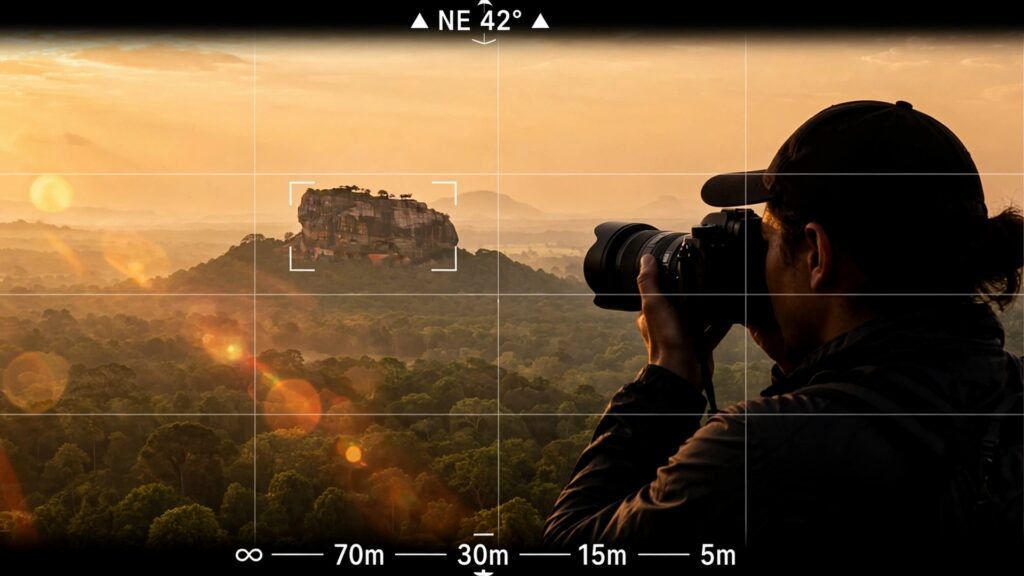
Red rock pierces the jungle canopy. The sheer scale breaks your brain. You stand at the base of the fortress, and your 16mm lens suddenly feels too short. Capturing this 5th-century monolith demands mastering tropical glare, outsmarting the crowds, and navigating a labyrinth of strict heritage laws. In this Sigiriya photography guide, we are diving straight into the technical realities, the hidden vantage points that barely make it to social media, and the 2026 drone regulations that will get your gear confiscated if you ignore them. Check your histogram. Let us get to work.
The 2026 Drone Reality Check: What You Actually Need to Know
Put the drone in your checked luggage. Sri Lanka now treats unmanned aerial vehicles exactly like manned aircraft. The Civil Aviation Authority (CAA) requires full registration, and you must secure prior permission for every single flight. General regulations cap flights at 120 meters and ban them near airports, military installations, and prisons.
The rules tightened significantly in late 2025. Following Cyclone Ditwah, authorities grounded unauthorized drones to keep airspace clear for rescue helicopters. Police actively arrested pilots flying near Kandy’s Sacred Tooth Temple and the Ruwanweliseya Stupa without permits. Religious and heritage zones are absolute no-fly areas.
For Sigiriya specifically, the situation is even stricter. The fortress is a UNESCO World Heritage site operating under a rigid no-fly zone. Even if you possess CAA registration, you still need clearance from the Department of Archaeology. Obtaining this clearance as a tourist is practically impossible. Violators face immediate drone confiscation.
Skip the headache. Leave the drone at your hotel and climb Pidurangala Rock instead. You will get the exact aerial-style perspective you want without risking a hefty fine.
The Classic 5: Essential Vantage Points
The complex and its immediate surroundings offer diverse subjects. Here are the five standard locations to frame your shots.
Pidurangala Rock (The Sunrise King): Standing 667 meters tall, just 1.5 kilometers north of the main fortress, this summit delivers the iconic framing of Lion Rock at dawn. By 6:30 AM, the first light hits Sigiriya’s eastern face, turning the stone a brilliant orange.
The Water Gardens (Symmetry and Reflections): At the base of the rock lies an elaborate 5th-century pleasure garden. The Elephant Pond and the Lotus Pond frame the rock beautifully in soft light. The symmetrical design provides perfect leading lines.
The Mirror Wall (Textures and History): Partway up the fortress climb, you will encounter a narrow, plastered corridor. Centuries ago, this surface was polished so smooth it acted as a mirror. Today, the off-white wall bears ancient graffiti inscriptions dating from the 6th to the 14th century.
Lion’s Paw Gate (Scale and Drama): Halfway up the ascent, the remains of a gigantic gateway come into view. Only two enormous carved stone paws flank the final staircase. This dramatic ruin serves as an iconic architectural detail.
The Summit Panorama (The 360-Degree Reward): Reaching the top of Sigiriya requires a shift in perspective. Turn around. The summit platform offers a sweeping view over endless forest, village fields, and distant hills.
The Hidden Gems: Hardly Captured Spots for Pro Results
Everyone shoots the eastern face at sunrise. To stand out, you need to explore the periphery. Award-winning travel photographers know that the best images often come from locations requiring a bit of extra effort.
Thalkote Lake: The Mirror Effect
Located just a short drive away, Thalkote Lake offers a completely different perspective. You can hire a local boat to take you onto the water. From the center of the lake, the surface acts as a massive mirror. On a windless morning, you will capture a flawless, symmetrical reflection of the rock. This shot requires a polarizing filter to manage the water glare and a sturdy tripod for the low light.
Cobra Rock (Kobra Rock): The Raw Jungle Frame
Skip the paved paths and head to Cobra Rock, a massive boulder located nearby. The climb is rugged and requires a local guide. Once at the top, you get a raw, unfiltered view of Sigiriya surrounded by dense, untamed jungle. This vantage point allows you to use the foreground rocks and wild foliage to create immense depth in your landscape compositions.
The Western Face at Dusk: Texture and Solitude
While the masses flock to Pidurangala for the sunrise, the western face of Sigiriya offers a spectacular, crowd-free alternative at sunset. The late afternoon sun rakes across the red rock, highlighting the deep textures and the ancient ruins on the summit. The warm, directional light brings out the fiery hues of the stone, providing a dramatic contrast to the cool blue hour sky.
Pro Photographer Advice for Tropical Landscapes
Master landscape photographers apply specific techniques to conquer challenging environments. Here is how to adapt their advice for Sigiriya.
Manage Extreme Dynamic Range
Tropical midday sun destroys dynamic range. The sky blows out to pure white while the jungle canopy falls into deep, noisy shadows. When shooting the sunrise at Pidurangala, use a graduated neutral density (ND) filter. This balances the bright sky with the darker foreground. If you lack filters, bracket your exposures and blend them in post-processing.
Anchor Your Foreground
A massive rock in the distance can make a flat image. Architectural and landscape shooters always hunt for foreground interest. When shooting the Water Gardens, get your lens inches above the lotus pads. The immediate texture of the flowers draws the viewer’s eye directly into the frame and up toward the rock.
Control Architectural Convergence
When photographing the Lion’s Paw or the Mirror Wall, keep your camera sensor perfectly parallel to the subject. Tilting the camera up or down causes keystoning, making the vertical lines lean inward. If you must tilt, use the perspective correction tools in Lightroom or Capture One during your edit.
Camera Gear Survival Guide: Beating Humidity and Dust
Sigiriya is hot, humid, and occasionally dusty. Your equipment faces a harsh environment. Protect your investment with these practical steps.
Seal your bag: Use a well-sealed camera bag with full zippers and flap closures. This keeps out fine dirt. Carry a dedicated rain cover or a heavy-duty plastic bag for sudden tropical downpours. Keep the bag in the shade whenever possible to prevent the internal temperature from spiking.
Manage temperature shifts: Avoid abrupt changes. When moving from an air-conditioned vehicle into the humid heat, leave your camera in the bag for ten minutes. This allows the gear to warm up slowly. Opening the bag too early causes immediate condensation on the sensor and lens.
Protect the glass: Fine trail dust is everywhere. Swap lenses only under cover or inside your bag. Attach a high-quality UV filter to shield the front element from scratches and dust. Carry a manual blower bulb and a microfiber cloth for field cleaning. Never point the blower directly at an exposed sensor.
Fight the fungus: Store your gear with desiccant. At the end of the day, place cameras and lenses in an airtight container with silica gel packs. Camera shops in Colombo sell electronic dry cabinets, which local professionals use to prevent fungal growth. Keep your hotel room gear in a warm, dry area.
Power and storage: Heat drains batteries rapidly. Keep spare batteries in a cool inner pocket against your body. Bring ample memory cards so you never have to delete images in the field.
Manage sweat: Wear a hat and wipe your hands frequently. Salt from sweat corrodes metal dials and buttons over time. Use a small towel to dry your hands before touching your equipment during the hike.
Frequently Asked Questions
Can I fly a drone at Sigiriya?
No. Sigiriya Rock Fortress and the surrounding UNESCO-protected zone operate as a strict no-fly area. Authorities require special approval from the Defence Ministry and the Department of Archaeology. This approval is practically impossible for tourists to obtain. Violators face immediate confiscation of their equipment. Capture the rock from Pidurangala Rock or boats on nearby Thalkote Lake instead.
What is the best time and place to photograph Sigiriya at sunrise?
Climb Pidurangala Rock before dawn. Reach the summit by 6:15 AM. The eastern face of Sigiriya catches the first light around 6:30 AM to 7:00 AM, creating a warm orange glow. This light usually fades by 9:00 AM. The flat summit provides the classic misty-jungle silhouette.
What camera restrictions exist at Sigiriya?
Photography is permitted in all open areas. Guards strictly forbid flash in the fresco gallery to protect the ancient pigments. Tripods are banned on the narrow, one-way Mirror Wall path. Plan to shoot handheld using a fast lens or burst mode for the interior sections.
Should I climb Sigiriya or Pidurangala?
Climb both for a complete experience. If you want the best photo of the rock itself, go up Pidurangala at sunrise. It provides the view you actually want. The Sigiriya Fortress climb offers historical highlights, frescoes, and rock palace details. Photographers typically do Pidurangala at dawn, rest, and then tackle the Sigiriya Fortress later in the day for interior angles and different lighting.