17th April 2026
Sigiriya Trincomalee Road Trip Guide
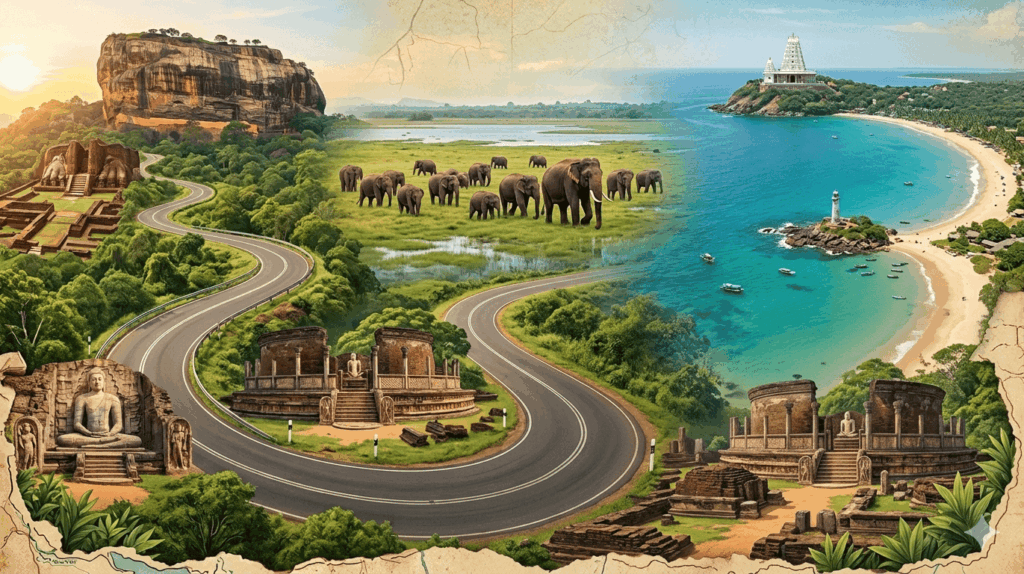
This 140-kilometer Sigiriya to Trincomalee road trip packs more variety into a single day than most countries offer in a week. Ancient ruins give way to wild elephants, which eventually surrender to pristine beaches where Tamil fishermen still use traditional techniques passed down through generations.
Most tourists rush south from the Cultural Triangle, missing out on Sri Lanka’s eastern treasures entirely. Big mistake. The east coast stays relatively crowd-free despite having beaches that rival anything in the Maldives, plus you get fascinating cultural layers that tell stories dating back over two millennia.
Here’s everything needed to nail this journey, based on countless trips by travelers who’ve figured out what works and what doesn’t.
Timing Makes or Breaks This Trip
The east coast dances to its own weather rhythm – completely opposite to the rest of Sri Lanka. While the south gets hammered by monsoons, the east coast basks in sunshine from April through October. Perfect for anyone wanting to escape the tourist hordes crowding the southern beaches.
May through September hits the sweet spot. Dry roads, clear skies, and ocean temperatures that feel like a warm bath. December to March brings more unpredictable weather, though nothing that stops determined travelers.
Leave after breakfast – around 8 AM works perfectly. This gives enough daylight for proper exploration without feeling rushed. Budget a full day if hitting the major stops, or better yet, stretch it across two or three days. Trust me, once you start discovering hidden spots, time becomes meaningless.
Sigiriya To Trincomalee Road Trip – Route That Actually Works
Skip the boring highway options. This route delivers maximum bang for your buck:
Sigiriya → Habarana → Minneriya/Kaudulla → Polonnaruwa → Kantale → Trincomalee
Sure, speed demons can blast through in under four hours. But why would anyone want to miss the incredible stuff in between?
Stops That’ll Blow Your Mind
Minneriya or Kaudulla National Park
Distance: 30 km from Sigiriya (40 minutes if you don’t get stuck behind a water buffalo cart)
Time needed: At least half a day
Between July and October, something magical happens here that most people never witness. Hundreds of elephants converge around the shrinking reservoir in what locals call “The Gathering.” But that name doesn’t do it justice.
Picture this: elephant families throwing reunion parties, teenagers showing off, wise old matriarchs keeping everyone in line. Last year, visitors counted 87 elephants in one sweeping view. Babies playing tag while their mothers socialized nearby. Bulls posturing and chest-thumping like teenagers at a school dance.
Even outside peak season, decent elephant sightings happen regularly. January visitors often spot a dozen elephants plus incredible birdlife that makes even non-birders grab for binoculars.
The secret? Go early morning. Fewer jeeps crowding around each sighting, better lighting, and elephants are more active before the heat kicks in.
Local tip: Ask your accommodation about guides who actually know animal behavior, not just where to drive. Makes a huge difference.
Polonnaruwa Ancient City
Distance: 25 km from Minneriya (30 minutes)
Time needed: Half a day minimum
After Sigiriya’s dramatic rock fortress, Polonnaruwa shows how ancient Sri Lankan kings lived when they ruled from the plains. This UNESCO site sprawls across several square kilometers, showcasing over 800 years of architectural evolution.
Don’t try to see everything – you’ll burn out. Hit these three knockout spots:
1. Royal Palace complex – where kings actually conducted business
2. The Quadrangle – perfectly preserved Buddha images that’ll make your jaw drop
3. Gal Vihara – four incredible Buddha statues carved from solid granite
The heat here can be brutal. Bring extra water and a hat. Late afternoon visits reward patient travelers with golden light that makes even phone photos look professional.
Secret spot: Most tourists miss Nelum Pokuna (Lotus Pond), a short walk north of the main sites. This eight-petaled lotus-shaped pool sits empty of crowds and full of tranquility.
The Wildlife Detour: Somawathiya Route
Extra time: 1-1.5 hours
Payoff: Potentially huge
For wildlife lovers, consider the slightly longer route past Somawathiya National Park between Polonnaruwa and Kantale. This back road sees little traffic but offers something priceless – genuine wild animal encounters.
Elephant families cross here regularly, especially early morning and late afternoon. No safari jeeps, no crowds, just you and whatever nature decides to share. Recent travelers report magical moments: entire elephant families crossing unhurriedly just 50 meters ahead, completely wild and unafraid.
Road quality stays decent during dry weather. Just drive slowly and keep eyes peeled.
Kantale Tank and Real Sri Lankan Food
Distance: 50 km from Polonnaruwa (1-1.5 hours depending on road work)
Time needed: Quick stop, maybe lunch
After Polonnaruwa, the landscape turns properly rural. Then suddenly – water everywhere! Kantale tank appears like magic, this massive reservoir built in the 3rd century using nothing but human determination and ancient engineering genius.
The roadside scene here tells real Sri Lankan stories. Tea shops run by families who’ve worked this land for generations. Tiny restaurants where three aunties serve pumpkin curry that’ll ruin you for anywhere else. No English menus, no tourist prices – just authentic flavors that tourists rarely discover.
The modern Buddha statue overlooking the water might seem out of place, but at night when they light it up, even skeptics have to admit it’s pretty spectacular.
Food tip: Skip the fancy-looking places with big signs. Find the tiny family-run spots where locals eat. Fresh-water fish curry here beats anything in Colombo.
Choosing Your Trincomalee Base
As the coast approaches, decisions need making about which area fits your vibe:
Trincomalee town: Historic center with natural harbor, colonial buildings, and Koneswaram Temple perched dramatically on Swami Rock. Perfect for culture vultures.
Uppuveli: Six kilometers north, developed beach area with plenty of accommodation and restaurant choices. Social atmosphere without being rowdy.
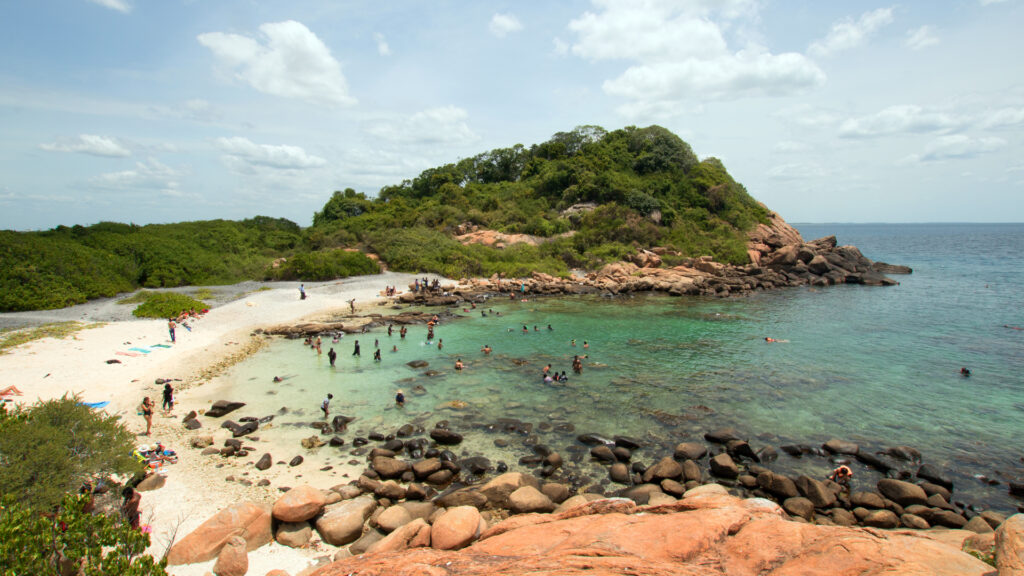
Nilaveli: Eight kilometers further up the coast, more secluded with spectacular wide beaches. Launch point for Pigeon Island snorkeling trips.
Kuchchaveli: Northernmost option, 25km from town. Most pristine coastline, minimal development, maximum peace and quiet.
Where to Sleep if You’re Not Rushing
Polonnaruwa area: Deer Park Hotel offers comfort near the ruins, or try smaller guesthouses for budget-friendly options with local flavor.
Jungle corridor: Eco Lodge Habarana sits between protected areas where wildlife sightings happen right from your cottage veranda.
Hard-Learned Road Wisdom
Gas up early: Fuel stations thin out heading east. Fill up in Habarana or Polonnaruwa.
Download maps: Cell service gets spotty in rural stretches. Offline maps save sanity.
Pack water: More than seems reasonable. The heat between Polonnaruwa and Trincomalee can be vicious.
Elephant awareness: Drive carefully at dawn and dusk between Polonnaruwa and Kantale. Wild elephants cross roads here. Keep respectful distance, never honk.
Cash rules: Smaller places don’t take cards. Keep rupees handy.
Start early: Road conditions can surprise you. Buffer time prevents rushing through the good stuff.
Why This Journey Changes Everything
This route delivers more than transportation – it’s time travel through different Sri Lankas. Ancient irrigation civilizations give way to Tamil coastal culture, while wildlife corridors that functioned for millennia still connect forest fragments today.
By the time Trincomalee’s sea breeze hits, travelers understand how geography shaped this island’s incredible diversity. Flying or taking express routes misses these crucial connections between landscape, culture, and history.
The road reveals secrets slowly, rewarding curious travelers with insights that package tours never provide. Each trip uncovers new layers, making this one of those rare journeys that gets better with repetition.
Perfect bridge between ancient heritage and coastal bliss – exactly what makes Sri Lanka so addictive for those who dig beneath the surface.