
11th December 2025

Sri Lankan Christmas Cake (Rich Cake) History, Tradition, & Authentic Recipe

Wine is not the only thing that grows more precious with time. Some memories age just as beautifully — gathering layers of scent, warmth, and longing until even the faintest trace of them feels priceless. The Rich Cake, as Sri Lankans call it, is one such thing. 

Difference between Rich Cake, Sri Lankan Christmas Cake, Fruitcake, & Love Cake

Irrespective of what a Christmas cake is in other countries, in the Resplendent Isle, a Rich Cake is synonymous with the Sri Lankan Christmas cake. Some might even call it by its umbrella term, “fruitcake”, which is technically true, given the avalanche of dried fruits it contains.

However, if you happen to confuse a Rich Cake with a Love Cake for all good reasons, any Sri Lankan baker would spontaneously reject the claim with,

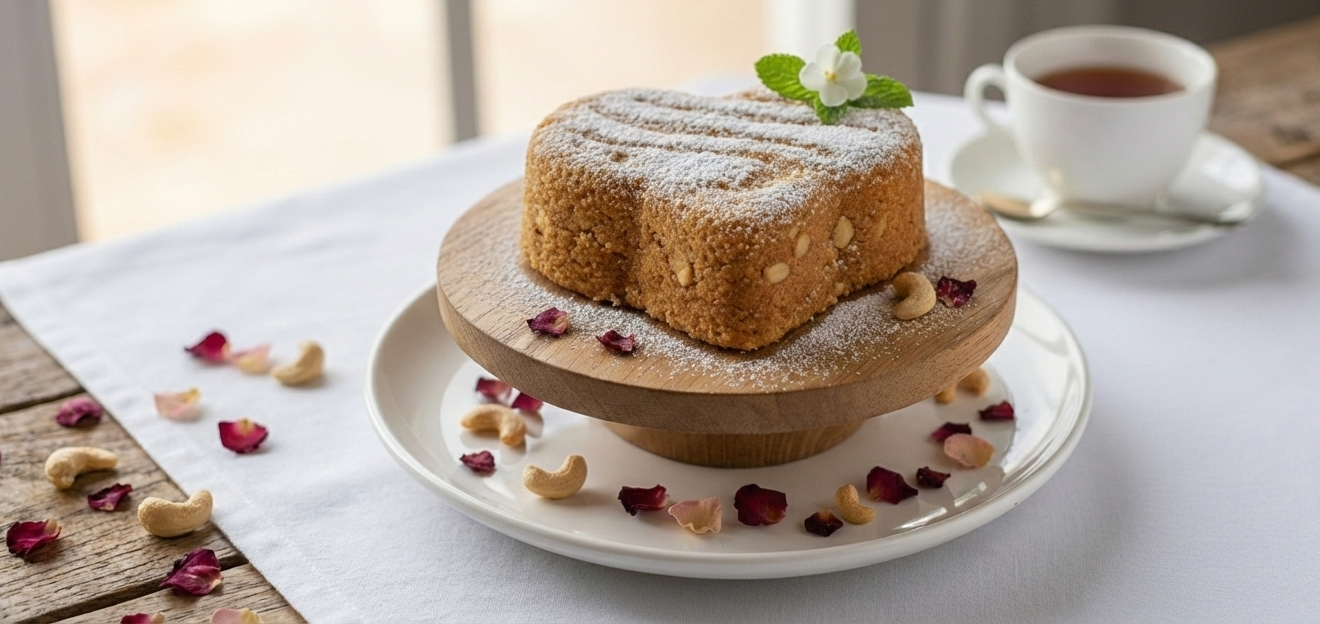
“Nah, Love Cake is primarily caju (cashew) and rulang (semolina). There’s a notable difference in their ingredient lists and the patience required.”

Maybe it got confused with the amor (love) it takes to invest so many nuts, spices, candied fruits, and time into creating this flavour bomb.

Love Cake
Love Cake (Bolo Di Amor)

More Than A Love Cake

In case you happen to watch someone take meticulous efforts to revive the exact taste they experienced as a child, it’s no exaggeration to say that you are witnessing the ancestral methods, insider tips, a pinch of individuality, and the richness in love steeped through multiple generations in action. For most Christian families and Burgher communities in Sri Lanka, it’s the one time of the year when the family sits together for hours, carefully slicing the dried fruits, nuts, and the crystallised ginger — each piece “not too small, not too large” — while the mix slowly gives away the actual aroma of Rich Cake. Contrary to common belief, that cherished time of the year begins long before December. 

Know Your Cake

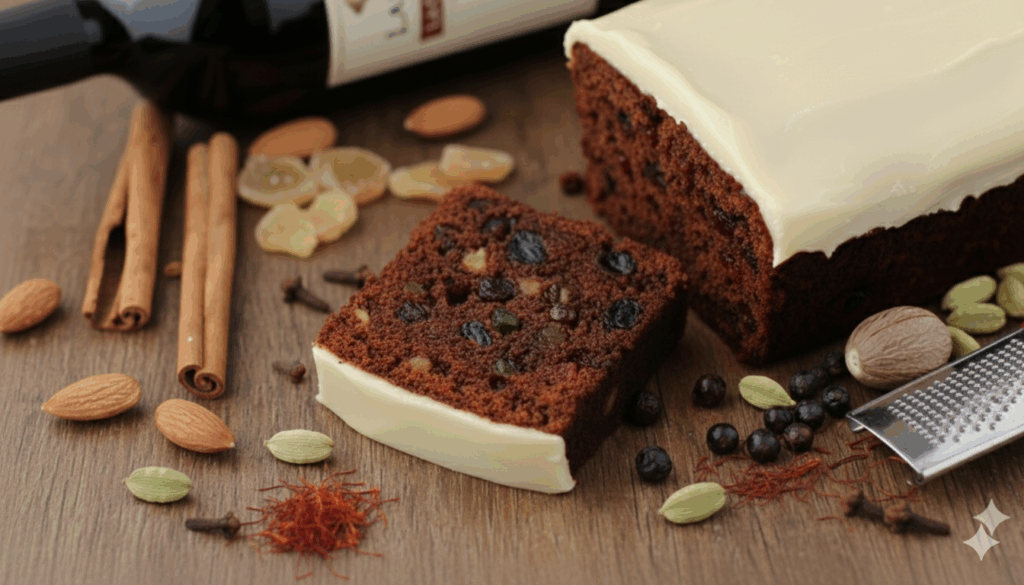
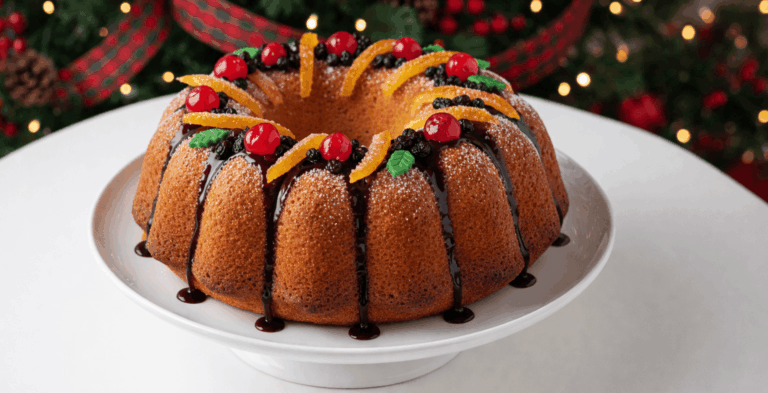
Sri Lankan Christmas Cake
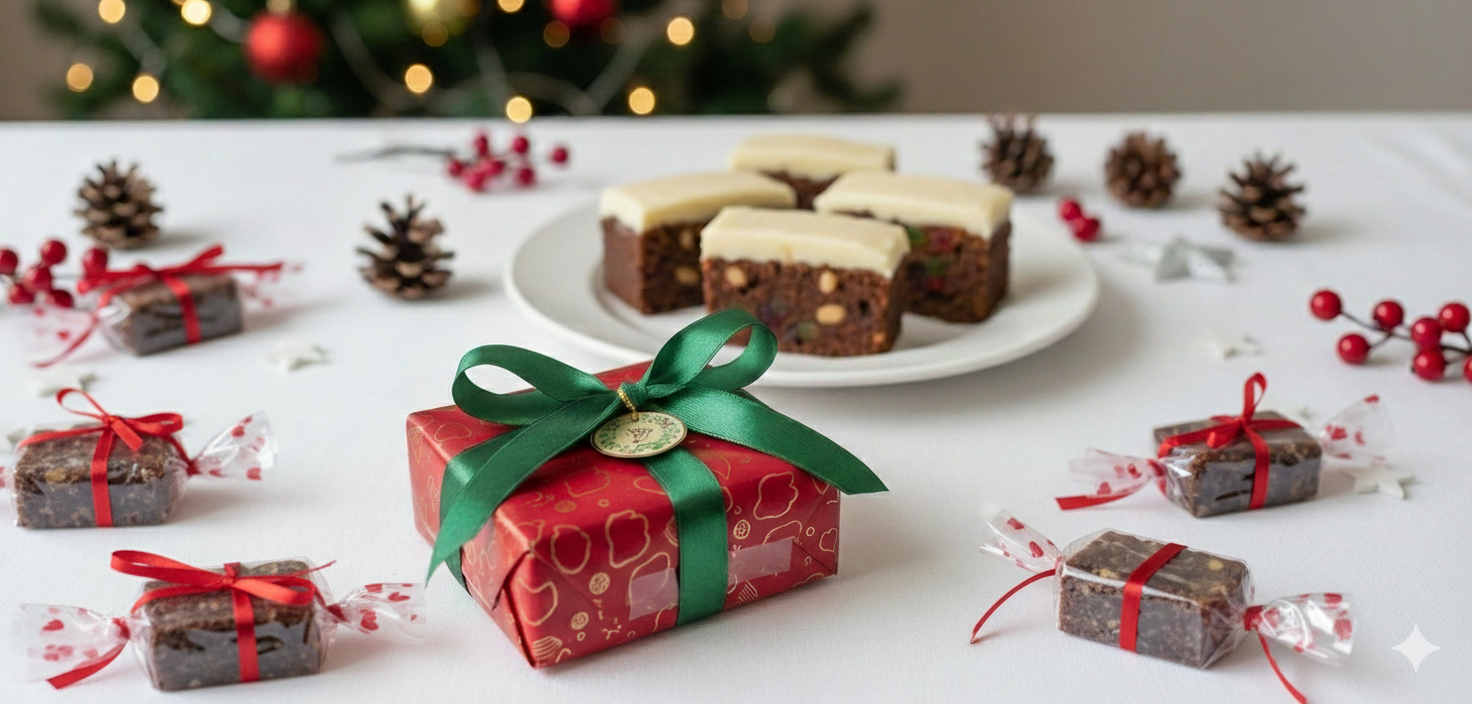
Rich Cake - Wrapped

Sri Lankan Rich Cake typically takes months to prepare and is one of the few cakes in the world with the most ingredients. It’s also the only cake where each slice is often wrapped completely — sometimes like a present — before being shared or served, and the only Sri Lankan dessert reserved exclusively for the island’s Christmas Eve and important occasions such as weddings.

Compared to the usual cakes, the flavours evoked, and the elements used in a Rich Cake are so complex and expensive that they justify the name and the small portions in which it is usually served.

But, for the Sri Lankan diaspora spread across the world, that small opulent piece wrapped in golden foil or simply on butter paper is a return ticket to their childhood, family, the fragrance of home, and to the times they were together in one land.

The Sri Lankan Fruitcake Formula

 — 

Hisory Unwrapped

Although a fruit of colonialism, the Sri Lankan Rich Cake has earned its edge of being one of the most decadent desserts through years of refinement in recipes. While the colonisers, in general, brought the Western concept of making fruitcake for Christmas, here’s what each contributed to the uniqueness of today’s Rich Cake.

The Portuguese’s Present 

Bolo di Amor (Love Cake), introduced by the Portuguese, formed the skeleton of the Rich Cake, where granular semolina holds the sticky raisins and nuts together, replacing flour. Its nature saves the cake from becoming a cloggy, cloying mush.

The candied fruit preserves, like the puhul dosi (pumpkin preserve) and chow chow dosi (chayote preserve) that the Portuguese sailors carried for long sea journeys, turned out to be the flavouring agents for Love Cake. Although Sri Lankan Rich Cake and Love Cake taste worlds apart, they share one more detail: both call for alcohol — the Rich Cake is fed with spirits over months, while the Love Cake receives its splash only as it goes into the oven.

Sri Lankan Rich Cake Ingredients
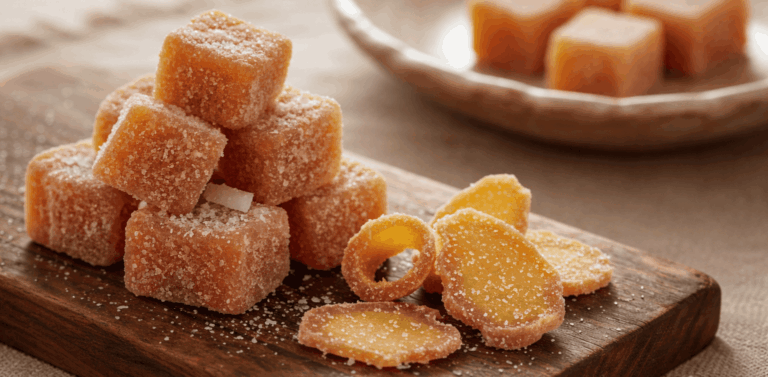
Pumpkin preserve & crystallised ginger

The Sri Lankan Twist

Since the 16th-century colonisers encouraged marriages between Portuguese men and Sri Lankan women, it is said that native women loaded the Love Cakes with locally sourced clove powder, cinnamon powder, nutmeg, rose essence, almond essence, and cashews, as an expression of their love. This could be the point where Rich Cake, a Sri Lankan fruitcake customised for the islanders’ palate, began to emerge. In fact, it is the liberal use of Ceylon spices in the present-day Rich Cake that makes it unique to the island.

The Dutch Breudher

Although Breudher is a yeast-based bread cake common among Dutch-Burgher communities, the buttery cake, along with imported glace fruit peel, cherries, raisins, currants, and treacle-style sweetener, must have had a significant influence on the present-day Rich Cake. Many food connoisseurs credit the Dutch with broadening the ingredient list for the Sri Lankan Christmas Cake.

Icing on the cake – The British Touch

As colonialism gave rise to cheap sugar, the British developed a fondness for jams, fruits boiled in sugar syrup, and fruitcake traditions. They were the reason for the birth of brandy-soaked fruitcake for celebrations. As per their custom, apart from feeding the dry fruit and nut mix with brandy or rum once every two days or months to mature it, the Sri Lankan fruitcake is also occasionally bathed with alcohol after baking to keep it moist. The longer the mix soaks in spirit, the greater essence and flavours it releases.

The addition of strawberry jam and the finishing touch with marzipan (icing made of almond paste) were other British ways of enjoying a Christmas fruitcake. They also left behind a charming superstitious belief: If an unmarried woman were to keep a piece of the Rich Cake under her pillow at night, she would dream of the person she would marry.

Rich Cake Before Sri Lanka

In many cultures throughout history, fruitcakes have symbolised abundance and prosperity. Specifically, the use of cinnamon, cloves, and nutmeg has been a sign of culinary sophistication since ancient times. In the later exploration ages, the incredibly long shelf life caused by the sugar, low moisture, and spirits made it ideal for sea voyages and winter storage. 

Before you move to the recipe, here’s a bite of some surprising historical facts around the legacy of fruitcakes: 

  • The oldest fruitcake in the world that remains edible (though not tasty) was made in 1878. 
  • At one point in history, around the early 18th century, fruitcakes were banned across Europe for the sole reason that they were “sinfully rich”.
  • Fruitcakes were the chosen dessert at multiple royal weddings. Even Princess Diana chose fruitcake for her wedding.

Where To Taste Authentic Sri Lankan Rich Cake

Since the ingredients required to make a genuine Rich Cake are expensive on the whole, it’s advisable to taste them at high-end hotels and resorts. However, note that you may not find them before the Christmas season, unless you order them from a custom home baker.

 Here is a list of hotels and resorts in Sri Lanka that won’t disappoint you:

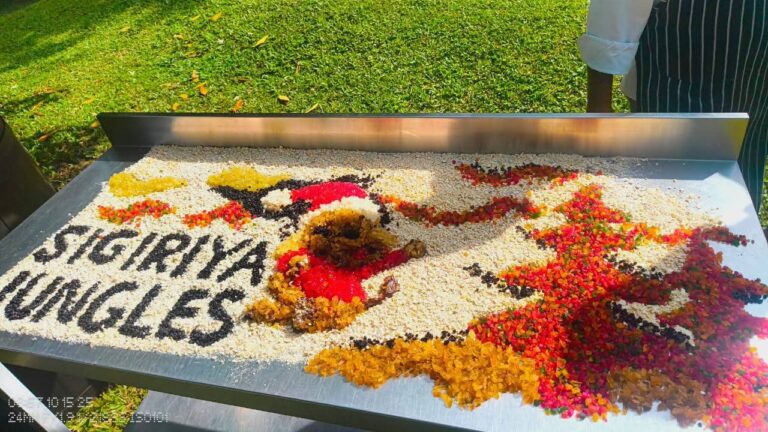
1) Sigiriya Jungles — Sigiriya / Cultural Triangle

2) Cinnamon Grand Colombo (Cinnamon Hotels) — Colombo

3) Galle Face Hotel — Colombo (the Grande Dame)

4) Heritance Kandalama — Dambulla / Cultural Triangle

5) Amangalla (Aman Galle Fort) 

6) Jetwing Hotels (group) 

7) Uga Escapes properties

8) Mount Lavinia Hotel — Colombo

Do check out other popular hotels and resorts that feature rich cake mixing ritual.

The Sigiriya Jungles Christmas Rich Cake

In 2025 Sri Lanka, the Christmas tradition of baking a Rich Cake and hosting a Gala dinner is still followed at every hotel and resort. At Sigiriya Jungles, located amidst the ancient forests of Sri Lanka’s Cultural Triangle, the Christmas bells jingle a bit early.

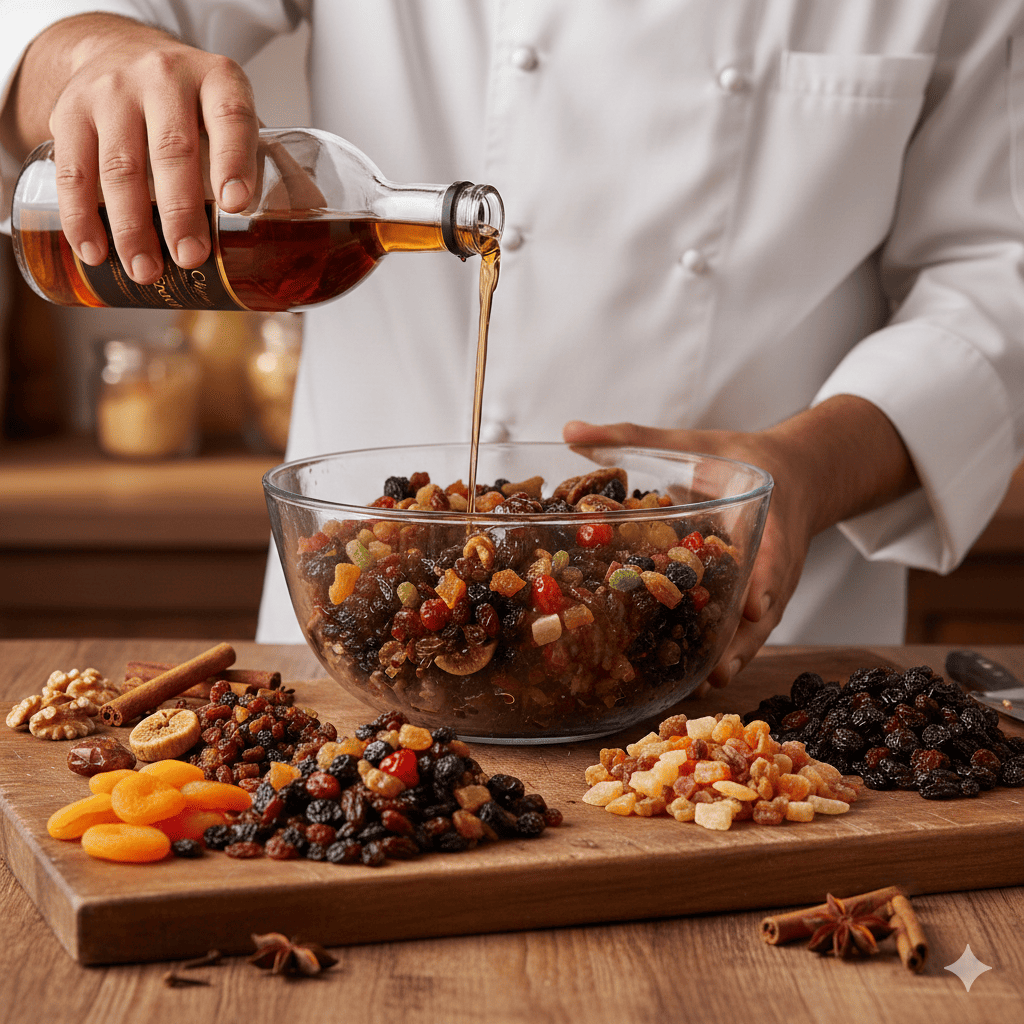
Under the guidance of Chef Hirantha Tennekoon, the resort hosts its annual cake-mixing ceremony every October. Staff from every department are invited to add the chopped fruits and nuts. Then, guests staying during December take part in the ritual by pouring the brandy and rum to mark the onset of the fermentation process. The mix matures for two months, deepening into a dark, aromatic treasure. 

The final cake weighs nearly 50 kilograms, of which more than 30 kilograms are fruits and nuts alone. After baking the cake, there are two elements Chef Hirantha adds that are unique to Sigiriya Jungles:

  • Locally sourced almonds for the velvet-textured marzipan, instead of imported ones
  • Eco-friendly wrapping using areca nut palm leaves, to keep up with the resort’s eco-friendly efforts

Chef Hirantha’s Home-Baking Tips

1. Choose dry preserved fruits, not syrup-soaked ones. Don’t get confused by the different names.

2. Use an airtight container for maximum fermentation.

3. Always line the baking tin generously to prevent the Rich Cake from getting burnt or dried out.

4. Whichever country you are in, even if some ingredients are not available in the nearby supermarkets, they can be bought at specialty Sri Lankan shops in your locality. If there is none, you might still find them on Amazon. If they are still out of your reach, try searching online for a replacement for that particular ingredient.

Join the Tasting Experience at Sigiriya Jungles

At Sigiriya Jungles, the festive spirit is as sumptuous as the Rich Cake itself. December unfolds with two signature events — the Christmas Eve Gala and the New Year’s Eve Gala — each crafted with the resort’s signature warmth.

And if you find yourself at the Christmas Eve table, be sure to seek out Chef Hirantha’s traditional Sri Lankan Rich Cake — a true highlight of the night.

24 December (morning) – Baby Jesus’ birthday cake will be on display at the buffet, which will later be served to all guests.

24 December (evening) – The Rich Cake will be placed as cut pieces wrapped in foil at the Gala Dinner Buffet.

24 December (night) – Another cake will be cut to welcome Christmas Day.

25 December (morning) – The Christmas cake will be delivered to all rooms.

Sri Lankan Christmas Cake

Authentic Sri Lankan Christmas Cake Recipe

A traditional Sri Lankan Christmas Cake packed with cashews, fruit preserve, spices, and treacle. The fruits may be soaked from 3 days up to 3 months, so total time varies, and the marzipan layer is optional.
Cook Time 2 hours 45 minutes
Soaking time 90 days
Total Time 90 days 2 hours 45 minutes
Servings: 20 Slices
Course: Dessert
Cuisine: Sri Lankan

Ingredients
  

Soaked Fruits
  • 250 g Sultanas
  • 250 g Raisins
  • 200 g Currants
  • 150 g Dates chopped
  • 150 g Crystallised ginger chopped
  • 150 g Mixed candied peel orange/lemon
  • 150 g Puhul dosi / chow chow preserve optional but traditional
  • 100 g Cherries red & green optional for colour
  • 100 g Prunes or figs for extra depth; optional addition
  • 1 Orange zest
  • 1 Lime zest
  • 150-200 ml Brandy
  • 1 tbsp Vanilla essence
  • 1 tbsp Almond essence
  • 1 tbsp Rose essence or rose water
  • 1 tbsp Orange blossom water optional
  • 30-50 ml Dark rum for deeper flavour
For Maturing
  • Extra brandy for feeding 50–100 ml over several weeks
Marzipan Layer
  • 250 g Ground almonds or almond meal
  • 250 g Icing sugar
  • 1 Egg white or 2 tbsp glucose syrup for an egg-free version
  • 1 or 2 tsp Almond essence
  • 1 tbsp Lemon juice optional; balances sweetness
  • Apricot jam for sticking marzipan to the cake; optional
Cake Base
  • 300 g Unsalted butter softened
  • 300 g Dark brown sugar
  • 10 Egg yolks
  • 6 Egg whites soft peaks
  • 250 g Semolina
  • 100 g Wheat flour optional; improves structure
  • 200 g Cashews finely chopped
  • 1 tsp Baking powder
  • 1 Pinch Salt
Spices
  • 1.5 tsp Nutmeg
  • 1 tsp Cinnamon
  • 1 tsp Cardamom
  • 0.5 tsp Cloves
  • 1 Pinch Mace optional
  • 1 Pinch Black pepper optional; Burgher-style
  • 1 Pinch Saffron soaked in 1 tbsp warm milk; luxury addition
Sweeteners
  • 2 tbsp Golden syrup or treacle/honey
  • 1 tbsp Maple syrup for extra aroma; optional
Royal Icing
  • 2 Egg whites
  • 450 g Icing sugar sifted
  • 1 tsp Lemon juice
  • Few drops Vanilla optional

Method
 

Prepare the Fruit Mix (Ideally in Advance)
  1. Chop all dried fruits and candied peels finely — not too fine, not too chunky.
    (Tip: Blending bruises the fruit, releases excess moisture, and flattens flavour.Hand-chopping gives that iconic chunky, luxurious texture.)
  2. Combine with chow chow preserve, candied ginger, orange zest, lime zest, and cherries.
  3. Add brandy and essences; mix well.
  4. Store in an airtight container for:
    -> Minimum: 3 days
    -> Ideal: 2–12 weeks
    -> Premium hotel standard: 2–4 months
    (Tip: Stir occasionally. The fruits become plump, boozy, and aromatic. Top up brandy if they look dry — they should always feel glossy.)
Make the Batter
  1. Roast the semolina lightly for 2–3 minutes until it turns pale gold. This releases a buttery aroma and keeps the cake from tasting raw. Then, let it cool.
  2. Cream butter + brown sugar until pale and fluffy.
    Tips: 
    a. Use unsalted butter — salted changes the flavours. Sri Lankan spice blends and fruits are delicate. Salted butter throws off the sweetness-spice balance.
    b. Add a small piece of grated jaggery (about 1 tbsp) to the butter-sugar mix. It sneaks in a smoky caramel undertone — unbelievably good.
  3. Add egg yolks one at a time.
  4. Add saffron milk, golden syrup, and any optional syrups.
  5. Fold in semolina, flour (if using), cashews, baking powder, salt, and all spices.
    Tips: 
    a. Over-mixing = tough cake. Fold like you’re handling silk.
    b. Use real Ceylon spices for depth. Pre-ground supermarket spices fade quickly. If possible, use freshly ground nutmeg, cardamom, and clove. This is the difference between “store-bought” and “exceptional”.
Combine Fruit + Batter
  1. Fold the soaked fruit mixture into the batter.
  2. Beat the egg whites into soft, not firm. Soft peaks mean more moisture retention. Firm peaks make the cake dense and dry.
  3. Gently fold egg whites into the mixture — this lightens a naturally dense cake.
Prepare the Tin
  1. Line the tin like your cake depends on it. Because it does. Use triple layers of baking paper inside and several layers of newspaper/brown paper outside. This ensures an even, gentle heat distribution.
  2. Preheat the oven to 130–140°C. (low heat = rich, moist cake. High heat burns the fruits, dries the cake, and cracks the top.)
Bake
  1. Pour batter into the lined tin.
  2. Bake for 2.5–3.5 hours. (Tip: Bake low & slow — don’t rush it.)
  3. If the top browns early, cover loosely with foil.
  4. The cake should be just underbaked when it comes out. The centre should be slightly sticky, not wet. It finishes cooking as it cools, ensuring moisture.
Mature the Cake
  1. Let it cool, prick the surface, and then brush with brandy.
  2. Wrap in baking paper + foil.
  3. Store in an airtight tin for 3–6 weeks. The flavour deepens into that signature dark Christmas aroma.
  4. Feed with 1–2 tbsp brandy every 7–10 days.
  5. The longer it matures, the deeper and silkier its texture becomes.
Make the Marzipan Layer
  1. Mix ground almonds + icing sugar in a bowl.
  2. Add almond essence and lemon juice.
  3. Add egg white (or glucose syrup) and knead until a smooth dough forms.
  4. Adjust:
    a. Too dry → add lemon juice
    b. Too sticky → add icing sugar
  5. Roll the marzipan between sheets of baking paper to a thickness of about 5–7 mm.
  6. Dry the cake 24 hours before the marzipan. Moisture trapped under marzipan = soggy top + cracks. Air-dry the cake overnight, uncovered or lightly tented.
  7. Brush cake with warm apricot jam (optional).
  8. Lay the marzipan over the top and smooth it.
  9. Let it dry 24 hours before icing. This prevents the oil from the almonds from seeping into the icing. A must if you want a clean, snowy white finish.
Make the Royal Icing (Optional Finishing Layer)
  1. Whisk egg whites until frothy.
  2. Add icing sugar gradually. (Tip: Use fresh icing sugar. Old icing sugar has lumps that never fully dissolve, leading to gritty icing.)
  3. Add lemon juice and optional vanilla.
  4. Add a few drops of glycerine (optional). This gives that soft-crack sheen, hotels love.
  5. Beat until glossy, thick, and forming peaks.
  6. Spread smoothly or decorate with piping.
  7. Allow to dry 12–24 hours before covering or slicing, so the layers settle and flavours harmonise.

Frequently Asked Questions

1. Can I make Sri Lankan Rich Cake without alcohol?

Yes — rich cake can be made fully alcohol-free by soaking fruits in juice or tea instead.
For best results:

    • Use orange or apple juice for sweetness.
    • Soak fruits for 24–48 hours only.
    • Add 1–2 tbsp of honey if you want extra moisture.

2. How long can Sri Lankan Christmas Cake be stored? Do I need to refrigerate it?

Alcohol-rich cake lasts 3–6 months at room temperature without refrigeration.

    • Store in parchment + foil + airtight tin
    • Alcohol-free cake lasts 2–4 weeks, then refrigerate
    • Never refrigerate a freshly baked cake — it dries out

3. Why does my Rich Cake crack on top?

Rich Cake cracks when the oven temperature is too high.
To prevent this:

    • Bake at 130–140°C (no fan)
    • Line and double-wrap the tin
    • Avoid opening the oven during the first 2 hours

4. Why do fruits sink to the bottom?

Fruits sink when the batter is too thin or the fruits are too wet.

Try:

    • patting soaked fruits dry
    • folding gently
    • ensuring semolina is properly absorbed

5. How do I make the cake darker without burning it?

Use dark brown sugar, a spoonful of treacle, or a pinch of cocoa for natural depth.
These enrich colour without bitterness.

6. Can I freeze Sri Lankan Rich Cake?

Yes — Rich Cake freezes very well for up to 6 months.
Wrap in parchment → foil → airtight container for best results.